







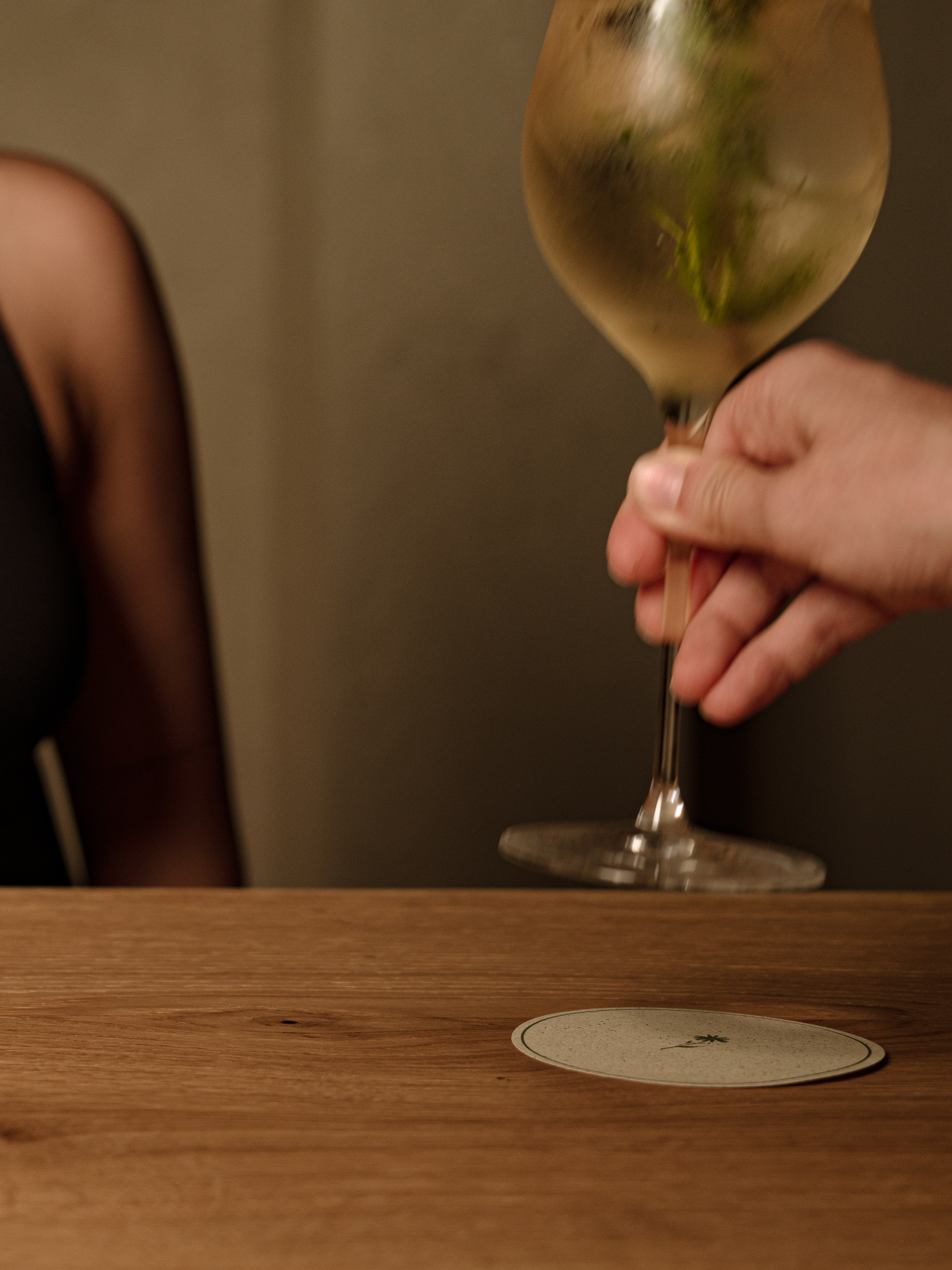
South Tyrol is one of Europe’s most fascinating wine regions, with a particularly high density of quality and origin labels. Around 98 percent of South Tyrolean wines are quality wines, placing them in the highest quality category in Italian wine production.
The region’s unique conditions, with different altitudes, diverse soils and significant temperature differences between day and night, create ideal conditions for distinctive wines. The cooler higher elevations are a major advantage for white wine production. Combined with a consistent focus on quality, South Tyrol has developed into an important white wine region over the past decades.
Many of our wines come from organic or biodynamic cultivation. Even though not all winemakers have these practices officially certified, as the effort involved can be considerable for smaller producers, far more of our wines meet these standards than may be apparent from the labels. Around 90 percent of the white wine selection at our establishment comes from South Tyrol. Our red wine selection consists of a carefully chosen range from South Tyrol and Italy as a whole. The high-altitude vineyards of the Isarco Valley offer ideal conditions for elegant, mineral white wines such as Kerner, known for its freshness and clarity and one of the region’s most popular varieties. For our red wines, we focus on classic South Tyrolean varieties such as Schiava and Lagrein, which represent the traditions and diversity of the region.
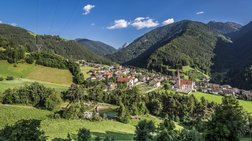
Winegrowing is also continuing to develop around Villnöss. Rising temperatures are making cultivation at higher altitudes increasingly possible and opening up new opportunities for small-scale winemakers. Our wine list features the wines of Rosmarie Prader, whose Müller-Thurgau and Silvaner demonstrate the potential of the unique high-altitude location in Villnöss. As a member of Slow Food, she represents a style of winemaking rooted in traditional methods, a conscious approach to nature and a strong connection to the local region. In doing so, she helps preserve the knowledge, landscape and distinctive taste of this special area.
NON-ALCOHOLIC PAIRINGS
For us, a diverse culinary experience is about more than just the selection of wines. It also includes a carefully curated non-alcoholic pairing. More and more guests are looking for alternatives that are equally exciting in terms of flavour and open up new dimensions of taste. This has led to fascinating creations based on fermentation, juices, extracts and non-alcoholic interpretations of wine.
The difference between non-alcoholic wine and other non-alcoholic alternatives is that, in non-alcoholic wine, the alcohol is removed from the wine after production using various processes. The most common methods include spinning cone technology, vacuum distillation and reverse osmosis. However, a very small amount of residual alcohol remains in the product, meaning that it may not be the right alternative for everyone.
For us, particularly exciting are modern non-alcoholic alternatives that do not simply try to imitate wine, but instead create their own distinctive taste experiences. The Sparkling Rocco apple aperitif from South Tyrol is a wonderful example and a popular choice on our menu: a sparkling aperitif made from local red-fleshed apples, awarded Cider World Gold 2026. It contains no additives or preservatives and no artificial colourings. Pure nature, and also an excellent choice for children. Its delicate bubbles make it an ideal and refreshing aperitif. Another non-alcoholic pairing option is Sine Vino, a non-alcoholic composition of fruit, tea, verjus – the juice of unripe grapes – and selected extracts, which impresses with its complex and multifaceted bouquet.
When temperatures rise, something more refreshing in the glass is always welcome. Cider has become a popular alternative, combining fruit, freshness and a delicate effervescence. The apple and elderflower ciders from Floribunda demonstrate just how versatile this category can be. The apple cider is made from a cuvée of Topaz and Gold Rush apples and develops its natural carbonation through a second fermentation in the bottle. This gives it additional depth and makes it a particularly appealing accompaniment on warm summer days.
WINE EXPERTISE AT LÜSNERHOF
Our experienced wine experts Steffi, Doris, Sofia, Stefan and Mario, all trained as sommeliers, with some holding professional sommelier qualifications, are always available to advise our guests competently and individually on the various options.
In addition, we host a wine tasting every week. During this approximately one-hour tasting in a relaxed and convivial atmosphere, guests have the opportunity to discover the diversity of South Tyrolean wines. Participants learn interesting facts about regional grape varieties, growing areas and the special characteristics of the wines – and, of course, have plenty of opportunity to taste and enjoy them.