









Organic, zero waste, and slow food – these terms have become common in the hospitality industry. But what do they really mean? And how can sustainability become more than just a buzzword on a menu and instead shape the way a kitchen operates every single day? In this inspiring conversation, Executive Chef Stefan Unterkircher shares an exclusive behind-the-scenes look at the sustainable philosophy of the Lüsnerhof kitchen. It quickly becomes clear that truly sustainable cuisine is built on two essential ingredients: respect and time.
SUSTAINABILITY STARTS LONG BEFORE THE COOKING BEGINS
Those who think of sustainable cuisine often think first of organic ingredients. But true sustainability starts much earlier – with choosing the right local producers, keeping transport distances short, and working with whatever nature has to offer in each season.
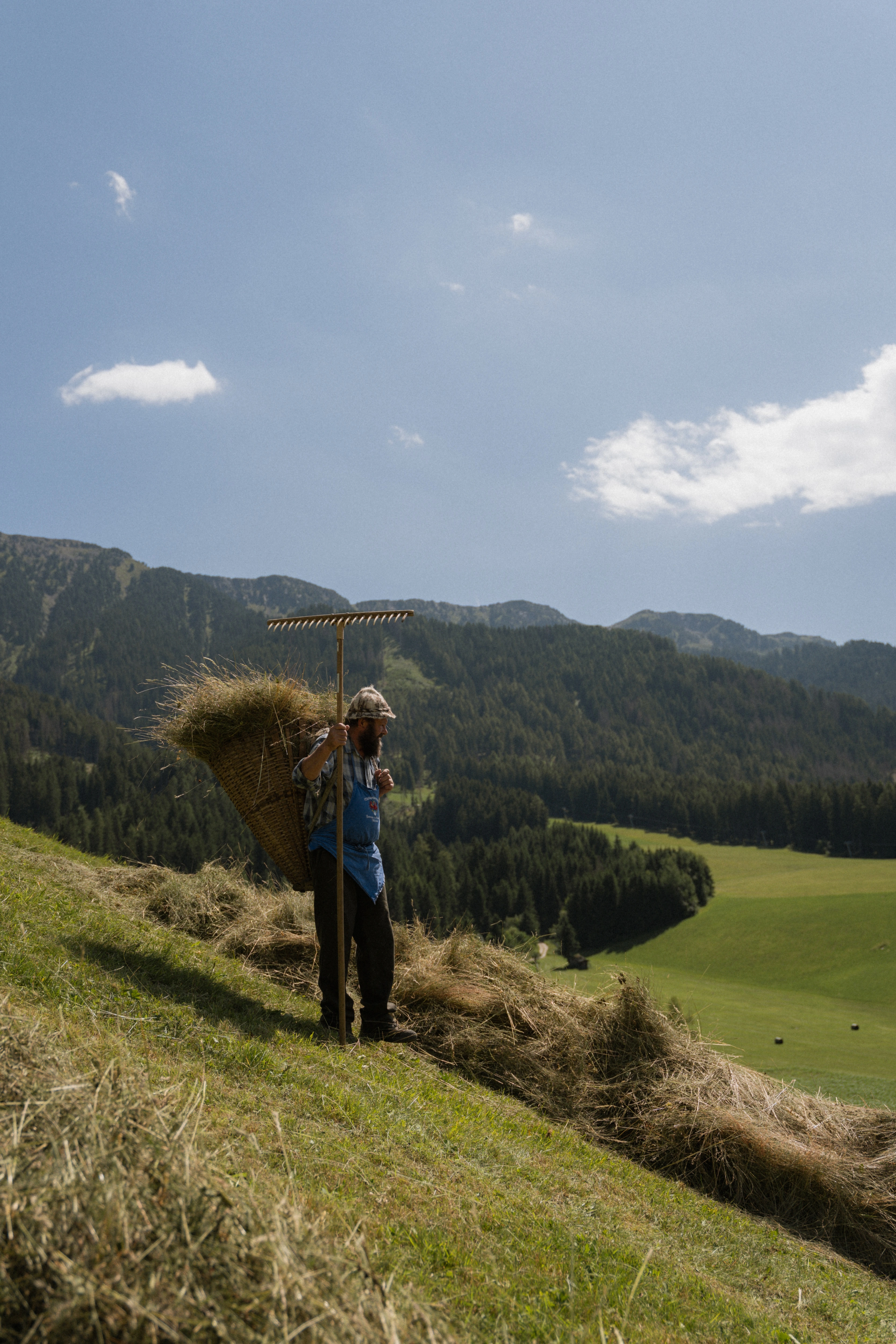
At Lüsnerhof, up to 30% of all ingredients already come from certified organic farming, with a clear commitment to increasing that share even further. For Executive Chef Stefan Unterkircher, however, organic is not an end in itself. It means cooking with the seasons, supporting local food networks, and restoring the appreciation that good ingredients deserve. This philosophy also includes close partnerships with regional producers and Slow Food Travel. Together, they help preserve traditional foods, strengthen short supply chains, and protect heirloom varieties and rare heritage livestock breeds. After all, sustainability doesn't begin in the kitchen – it starts out in the fields.
TRANSPARENCY BUILDS TRUST
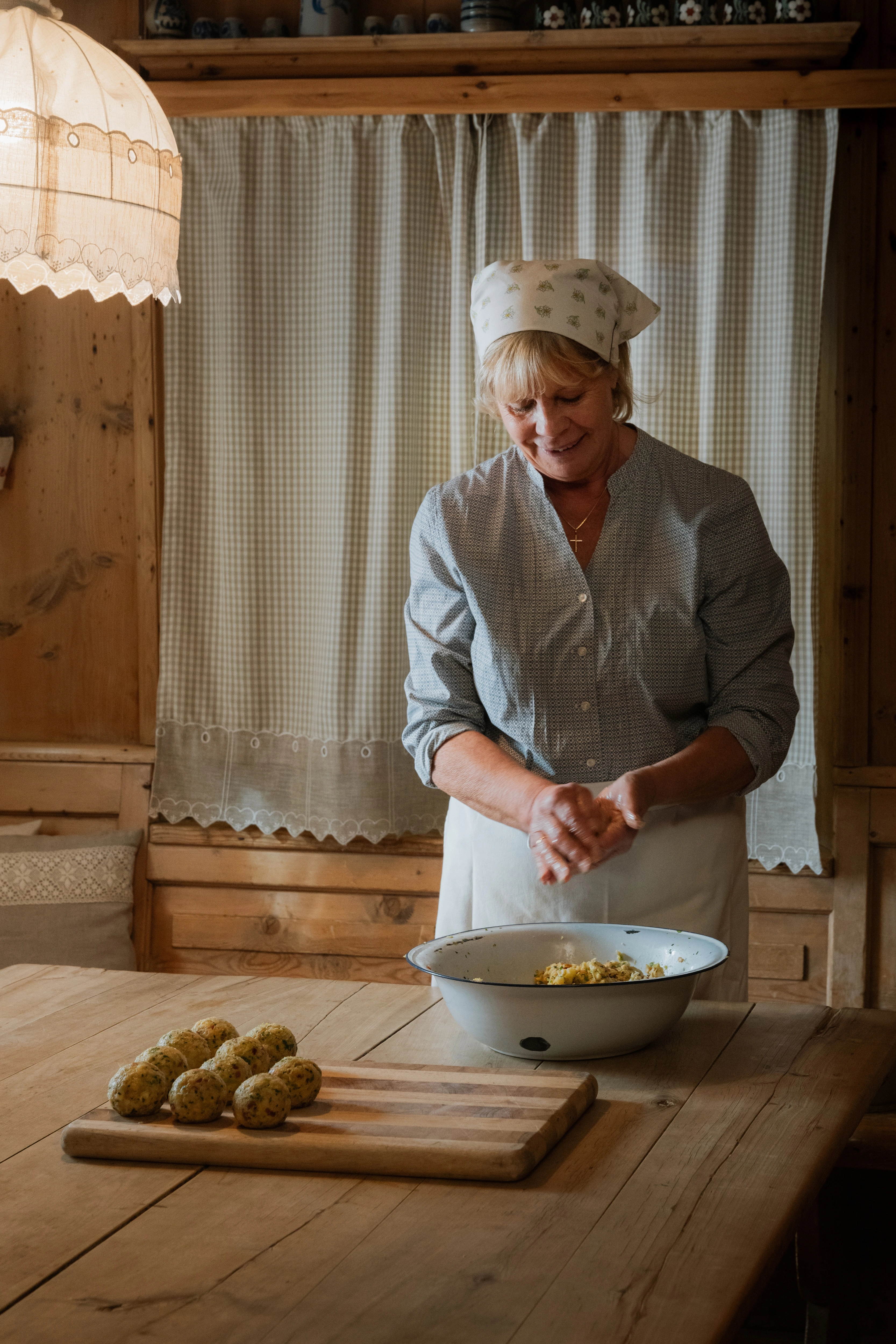
That is why the kitchen team opens its doors once a week and invites guests to take part in an exclusive cooking workshop. It is about far more than simply learning recipes to recreate at home – it is about understanding the knowledge and techniques behind them: Why do we ferment? Why don’t vegetable peelings end up as waste? How can seemingly simple leftovers be transformed into intense flavours? And what truly defines a high-quality ingredient? Those who take part gain insights usually reserved for the kitchen team – and discover just how much craftsmanship, experience, and creativity go into creating natural cuisine.
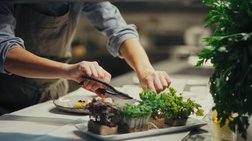
Even at dinner, this sense of transparency is tangible. On selected evenings, the kitchen team prepares individual courses fresh in the show kitchen at the buffet, right in front of the guests. As dishes are cooked, plated, and served, guests have the opportunity to engage in conversation with the chefs. This turns dinner into much more than just a meal: it becomes a behind-the-scenes glimpse into a kitchen that not only embraces its philosophy every day, but is also eager to share it with others.
ZERO WASTE MEANS: USING EVERY PART OF THE INGREDIENT
A term that is becoming increasingly common in discussions about sustainable cuisine is zero waste. It stands for far more than simply finding creative ways to use leftovers.
Those who work with high-quality ingredients want to make the most of every part of them. At the Lüsnerhof, for example, beetroot leaves are transformed into ravioli fillings, while vegetable peelings become flavourful broths, herb salts, or aromatic powders. Fermenting, pickling, and preserving are just as much a natural part of everyday kitchen life as homemade pasta, syrups, and chutneys.
This philosophy is also reflected in the way meat is handled. “For the second time, we have prepared an entire ox following the ‘nose-to-tail’ principle – an approach that respects the animal as a whole and helps preserve traditional dishes,” explains the chef.
CUISINE WITH A STORY TO TELL
Sustainable cuisine does not end on the plate. It tells stories of landscapes, people, and traditions.
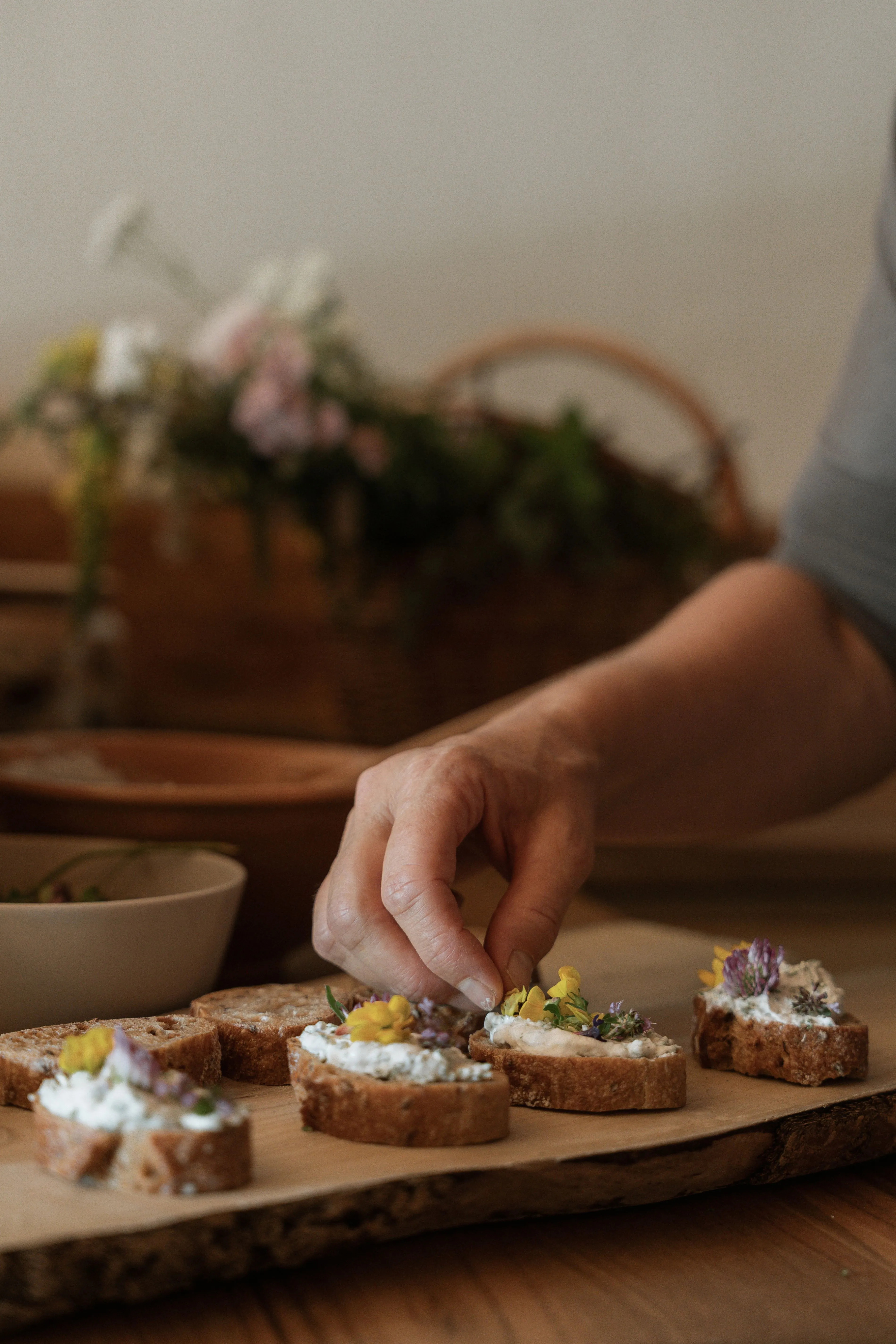
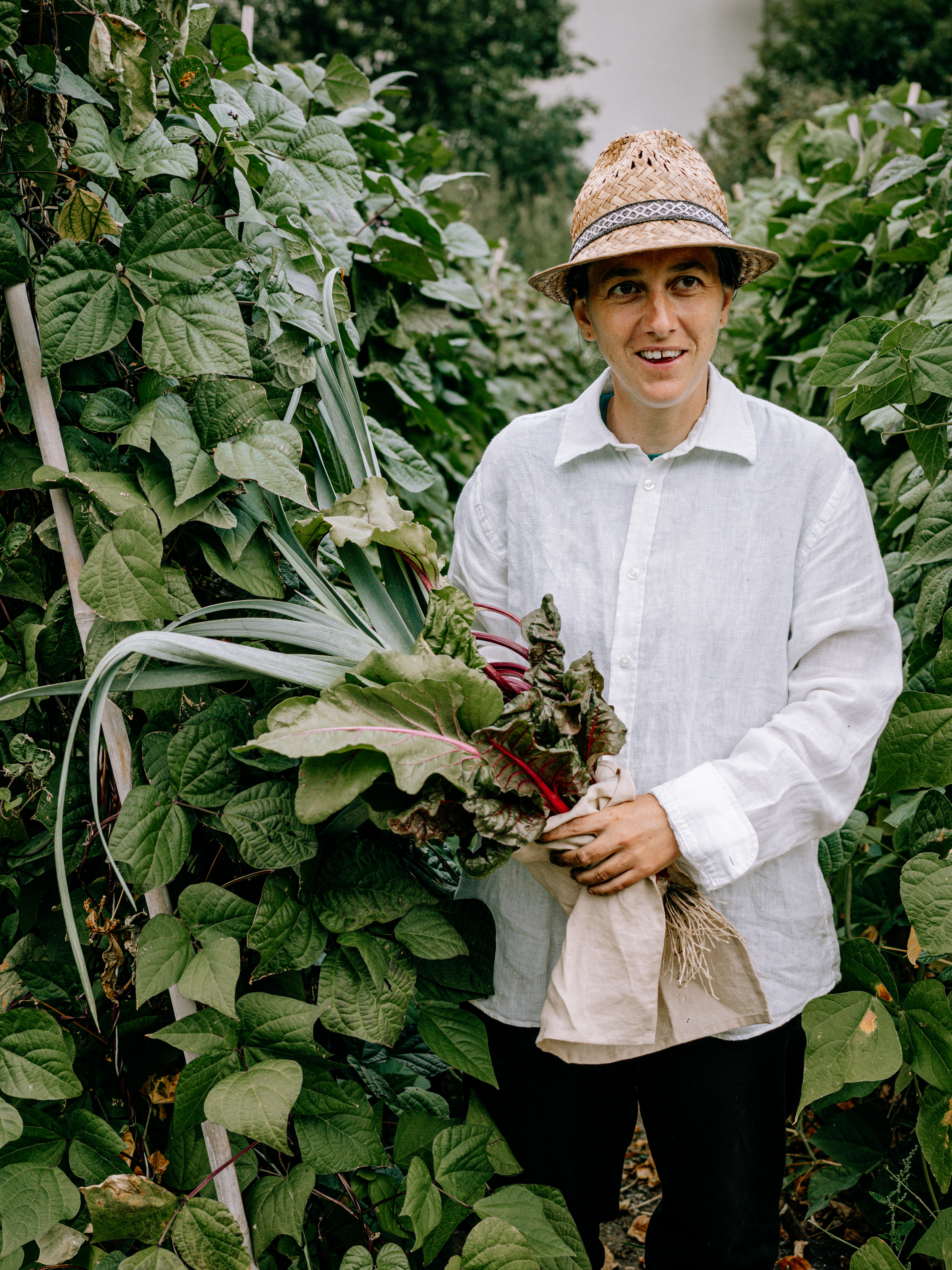
Many of the herbs, as well as some of the fruit and vegetables, come from the Lüsnerhof’s own gardens or are sourced from an organic social farm in Brixen. Others are gathered by guests themselves during guided walks with herbal expert Herta. This knowledge of nature and the deep connection to it flow into every menu – along with the craftsmanship and expertise of the kitchen team. “Everyone on the team spends time outdoors, opens up their senses, and brings these newly discovered impressions into their creative work,” says Stefan Unterkircher with pride. The result is dishes that make authentic flavours tangible and reveal the stories behind them. Guests learn where an ingredient comes from, who grew it, and why it is at its best at this particular time of year. Vielleicht ist genau das die Zukunft nachhaltiger Kulinarik: nicht Verzicht, sondern ein bewusster Genuss, der die Natur, die Produzenten und die Zeit gleichermaßen wertschätzt.
Perhaps this is exactly the future of sustainable cuisine: not about giving things up, but about mindful enjoyment that values nature, producers, and time equally.
LEARN MORE ABOUT THE TOPIC: